

Strong Towns Chicago advocates for policies that make our neighborhoods more affordable, our streets safer, and our city easier to navigate.
Stronger city finances help make these outcomes possible. They allow us to invest in what works and maintain it for the long haul.
Level Up Chicago! ⬆️
Inspired by Strong Towns National’s Incremental Housing Everywhere initiative.
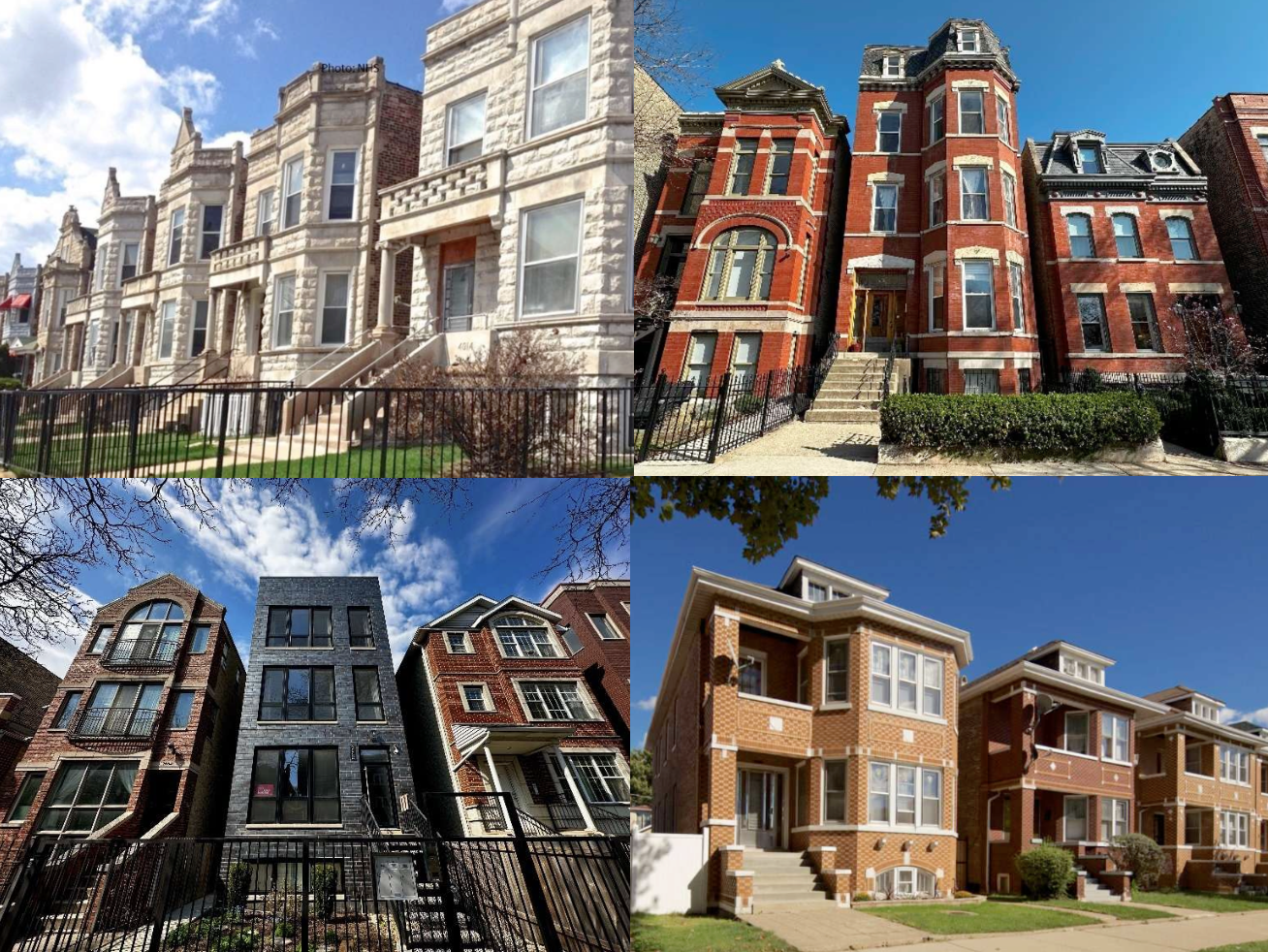
Our Level Up Chicago initiative, in partnership with Abundant Housing Illinois, is leading the 4-Flats by Right campaign. The goal is simple: re-legalize 3- and 4-unit houses on standard lots across Chicago.
Why It Matters:Decades of restrictive zoning have outlawed the very housing that once defined Chicago’s neighborhoods, classic 2-, 3-, and 4-flats that made communities affordable, diverse, and resilient. Restoring these building types would let more residents live near jobs and transit, lower housing costs, and strengthen local business corridors.
Restoring Chicago’s Housing DNA: In 2025, we co-hosted a panel of small-scale builders to discuss the opportunities and obstacles of building small multi-unit homes. Our members also advocated in Springfield for statewide legislation to legalize 4-unit houses & coach houses. We’ll keep pushing for policies that enable incremental, neighborhood-led growth across Chicago and Illinois.
Transit Task Force 🛠️
Inspired by Strong Towns National’s End Highway Expansion initiative.
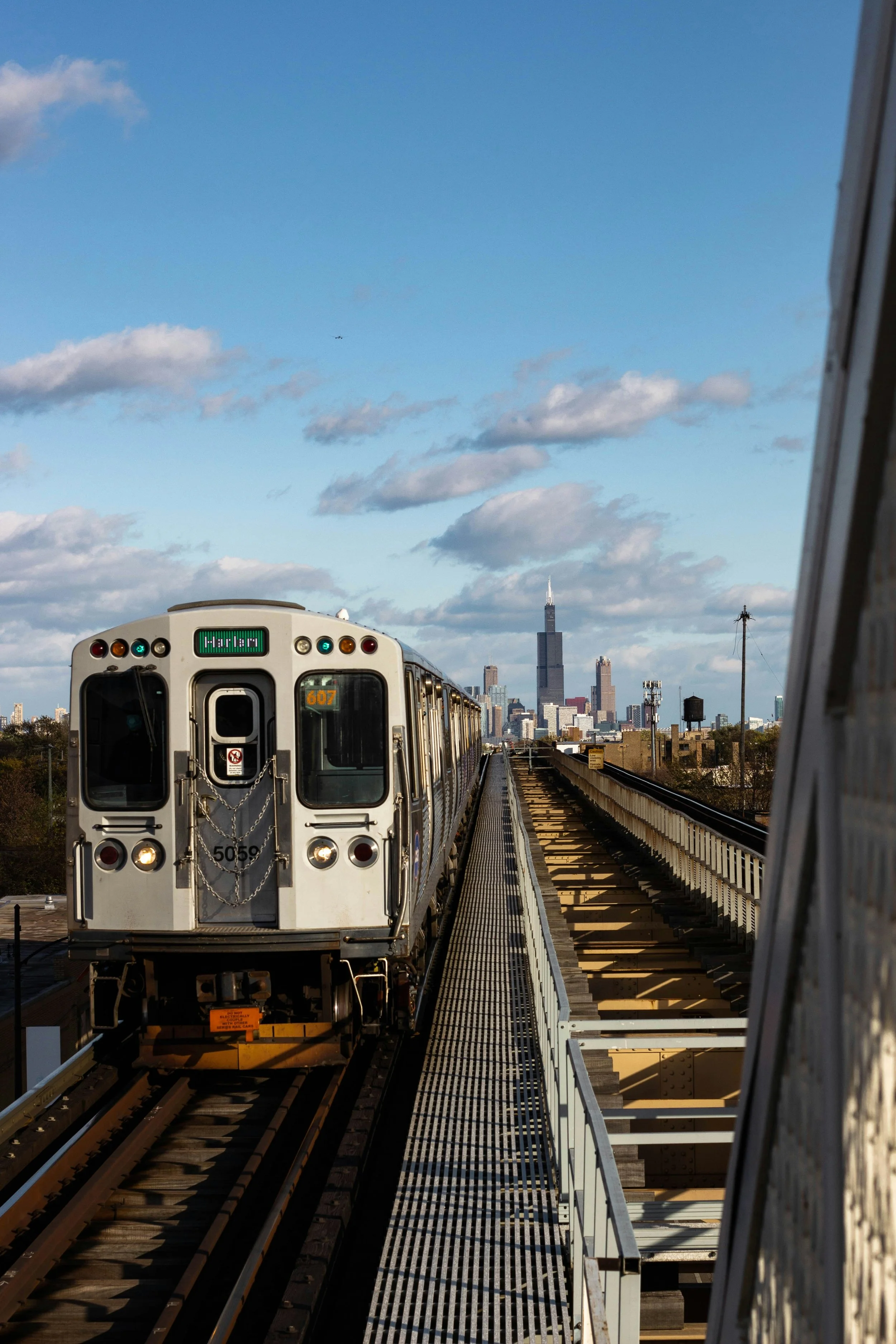
Our Transit Task Force advocates for frequent, safe, and reliable public transportation across every neighborhood.
Why It Matters: Reliable transit is essential to a thriving, human-scaled city. Frequent buses and trains connect neighborhoods and every resident gains better access to jobs, education, community, and opportunity.
Making Transit Work: We share our experiences directly with transit agencies and policymakers, using data-driven advocacy to show how funding decisions, service changes, and infrastructure investments impact riders.
Our priorities focus on advocating for key actions that make Chicago’s transit system stronger and more reliable:
The Transit Fiscal Cliff has been averted! Time to get to work.
Prioritizing ‘L’ Maintenance to ensure safety, reliability, and fewer slow zones.
Building a Better Bus Network with improved frequency, smart stop spacing, and transit priority lanes.
Stopping Lake Shore Drive Expansion and redirecting resources toward public transit and safer city streets.
#DoTheMath 📊
Inspired by Strong Towns National’s Transparent Local Accounting initiative.
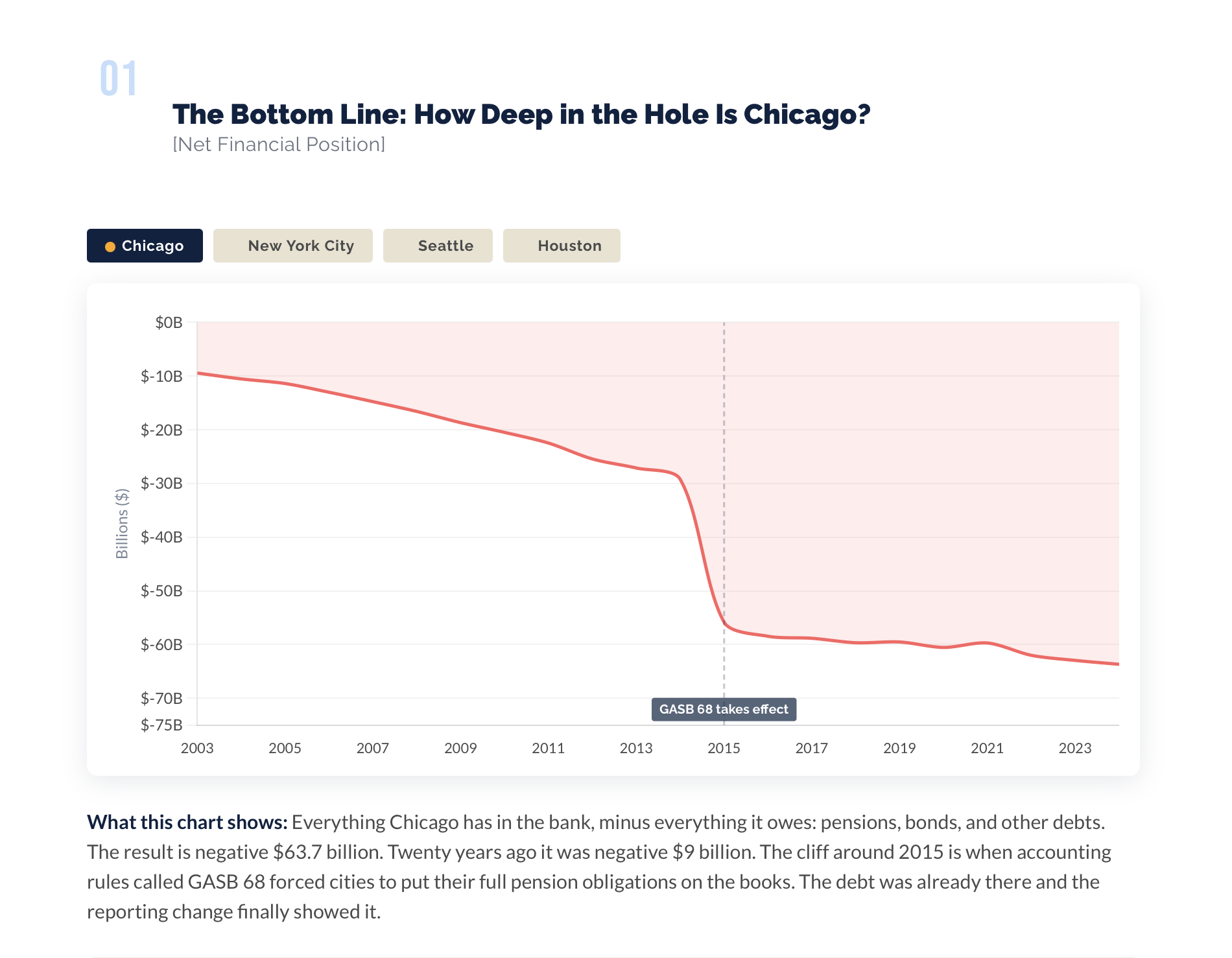
Strong Towns Chicago’s #DoTheMath initiative is a finance-first movement for smarter local decisions. We use the Strong Towns Finance Decoder to challenge our local leaders to ask three plain questions of every budget, project, and policy:
Sustainability: “Can Chicago sustain today’s service levels over the long term?”
Flexibility: “How much budgetary slack does Chicago have to adapt to unexpected change?”
Vulnerability: “How dependent is the city of Chicago on external funding?”
See the trends for yourself. Our #DoTheMath team charted 20+ years of Chicago’s Annual Comprehensive Financial Reports.
Why #DoTheMath? Chicago’s fiscal challenges are symptoms of decades of big bets, near-sighted budgeting, sprawl, and auto-first designs. This has created places that are expensive to maintain and too financially weak to fund themselves.
Financial solvency is a prerequisite for safer streets, better transit, and strong schools. Without making our finances sustainable, flexible, and resilient finances, we will have a hard time ever catching up. Here are our next steps:
Highlight high-ROI projects: Do low-risk, modular street fixes first; then grow along transit with pro-housing zoning to build tax base without adding costly road miles.
Explore using taxes to encourage better land use, including vacancy taxes and land value taxes.
Empower local residents to attend their ward’s budget hearing, request infrastructure condition reports, do a “walking audit” and share findings with their alders.
Tactical Urbanism 🚧
Inspired by Strong Towns National’s Safe & Productive Streets initiative.
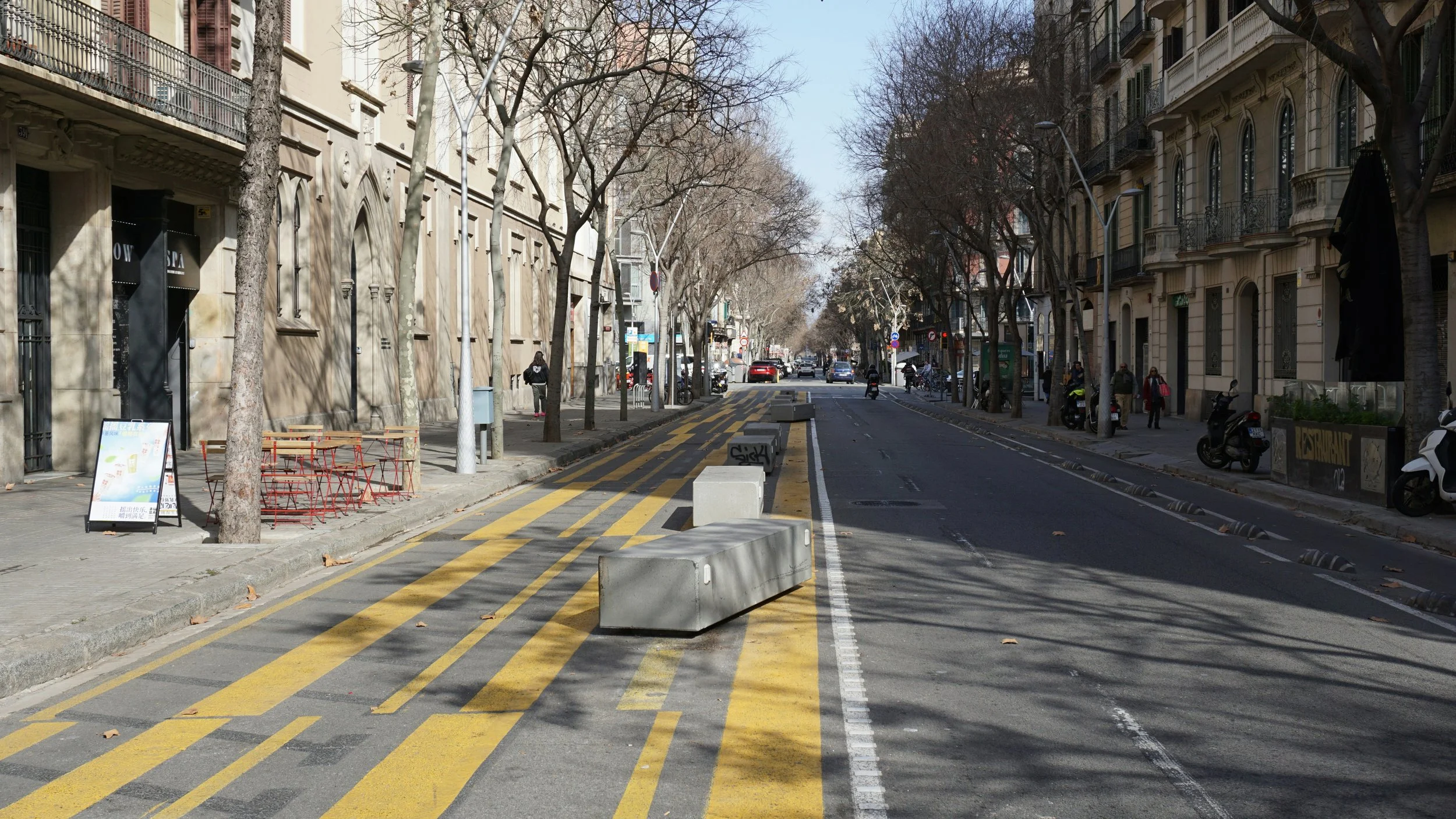
Our Tactical Urbanism group takes a DIY, small-steps approach to improving public spaces. Using simple materials like paint, planters, and wooden benches, we show how low-cost interventions can make immediate improvements where people walk, bike, and wait for transit.
Why It Matters: When local agencies like CDOT make upgrades, they’re often literally set in concrete, expensive, slow, and difficult to adjust. Tactical Urbanism proves that not every improvement needs to wait for a multimillion-dollar project. Quick, flexible fixes can test ideas, build community support, and make our streets safer right now.
Start Small, Prove It Works: Adding painted curb extensions and small seating areas to each ward’s $1.5 million infrastructure “menu” funds would let neighborhoods pilot low-cost safety upgrades faster. These simple, cost-effective methods ensure every neighborhood benefits from people-centered improvements. Successful pilots can then evolve into permanent changes that make streets safer citywide.
What else we’re pushing for:
Creating a Strong Towns Chicago Crash Analysis ‘Studio’ to identify and fix dangerous streets using data and community insight.
Making More Pedestrian Spaces Citywide by advocating for the converting of unused asphalt into people-first places: see the highlights from PARK(ing) Day 2025!
Join us to help bring low-cost, high-impact street improvements to neighborhoods across Chicago.